
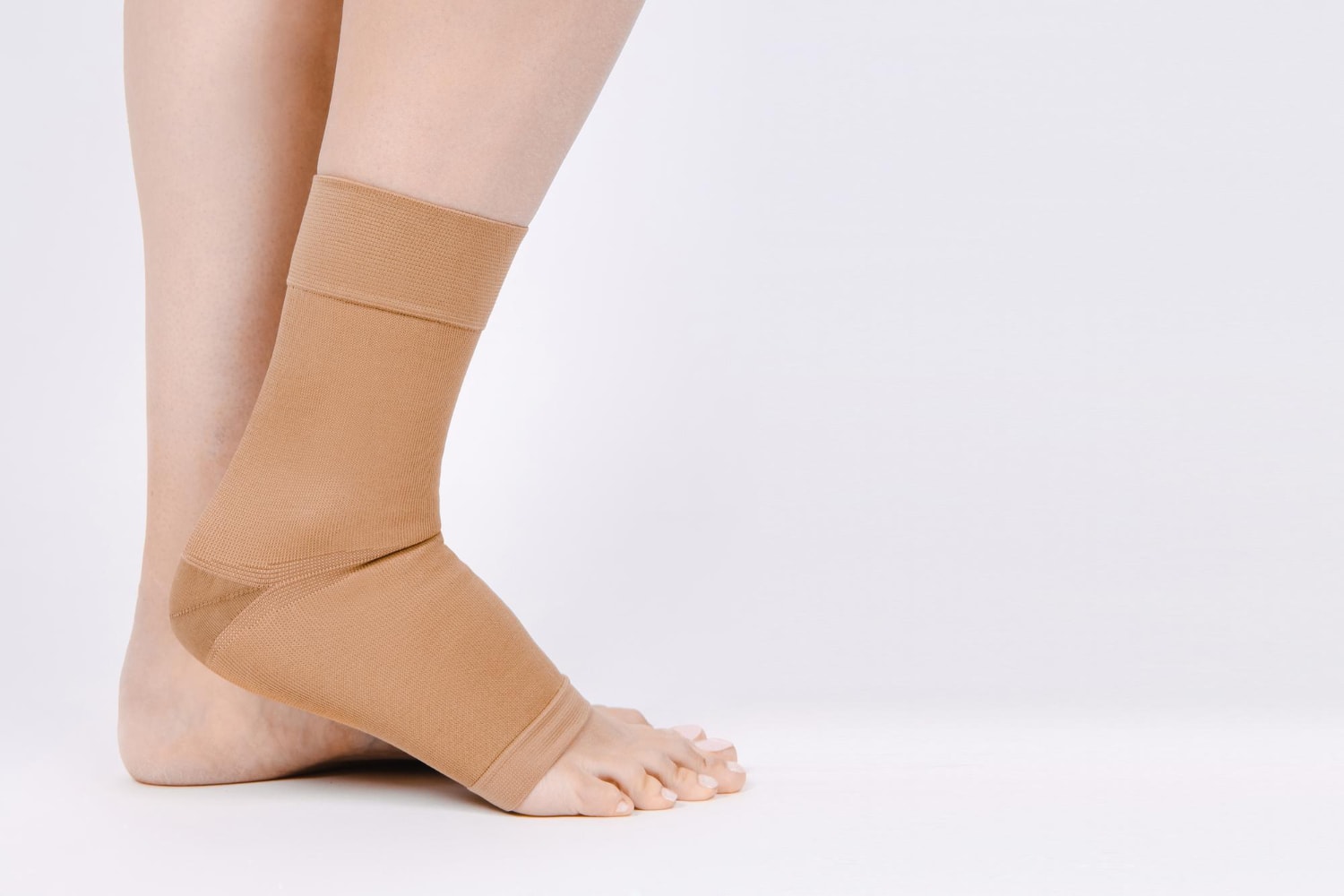
Medical compression socks use a graduated compression design, with higher pressure at the ankle that gradually decreases toward the upper leg. This structure is designed to support venous return and help reduce the feeling of leg fatigue and swelling.
With many options available on the market, how do you choose the right pair for your needs?
1. Choose the Appropriate Compression Level
Different compression levels are suitable for different needs:
15–20 mmHg | Light Compression
Individuals who stand or sit for long periods
Long-distance travel
Everyday leg comfort and support
20–30 mmHg | Moderate Compression
Early-stage varicose vein conditions
Individuals prone to leg swelling
Daily compression use recommended by healthcare professionals
For specific medical needs, it is recommended to consult a healthcare professional before use.
2. Ensure Proper Sizing
Compression socks are not “the tighter, the better.”
Improper sizing may reduce effectiveness or comfort.
It is recommended to measure:
Ankle circumference (narrowest point)
Calf circumference (widest point)
Leg length
Always refer to the brand’s size chart before purchasing.
3. Choose the Right Style
Depending on usage needs, different styles are available:
Knee-High (Mid-Calf): The most common style, suitable for daily wear
Thigh-High: Provides support for a higher portion of the leg
Pantyhose: Full-leg coverage and uniform support
4. Focus on Material and Breathability
High-quality medical compression socks are typically made with high-elastic fibers and breathable knitting technology, balancing compression performance and wearing comfort.
For extended wear, breathable and moisture-wicking materials are recommended to improve overall wearing experience.
Choosing the Right Compression Socks for Better Daily Comfort
The right compression socks can provide structured support and improve everyday comfort. When selecting a product, consider compression level, sizing, style, and material together to find the most suitable option for your needs.